Licensed Electrician for Safe and Efficient Power Solutions
Hiring a licensed electrician is a critical decision for both residential and commercial properties. Their expertise guarantees adherence to local regulations, promoting safety and efficiency in electrical installations. Neglecting electrical issues can result in significant dangers, including fires and shocks. Understanding the role of a qualified electrical professional can clarify why their services are indispensable. What factors should one consider when selecting the right professional for particular requirements?
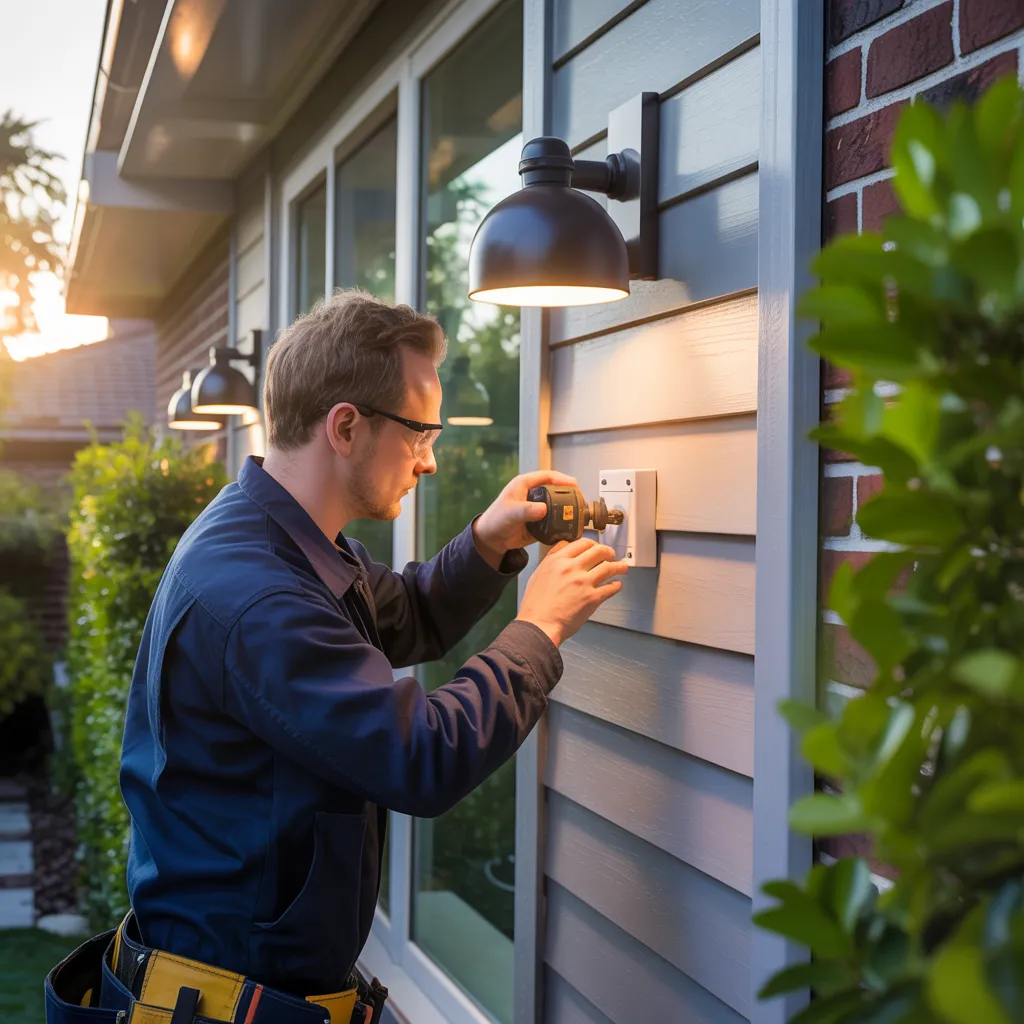
Frequent Electric Problems You Shouldn't Ignore
Many homeowners sometimes miss common electrical problems, but quickly addressing these concerns is essential for safety and efficiency. Flickering lights often signal a loose bulb or improper wiring, which can escalate into more dangerous conditions. Similarly, frequent breaker activations indicate an overburdened electrical system or potential short-circuit situations, both of which require immediate attention. Overheating outlets can lead to fire hazards, suggesting aged wiring or incompatible devices. Owners should also be alert to unusual electrical smells, as they may indicate burning insulation or other serious issues. Finally, if outlets or switches become warm to touch, this can suggest a serious electrical fault. Recognizing these problems early can prevent accidents and costly repairs, ensuring a more secure home setting. By prioritizing the resolution of these common electrical issues, homeowners can keep their electric systems safe and efficient.
Why Hiring a Licensed Electrician Is Crucial
Appointing a licensed electrician is indispensable for ensuring compliance with electrical codes, which are fashioned to shield property and lives. Their proficiency not only secures sound installation and upkeep but also accentuates safety in perilous situations. By selecting a licensed professional, homeowners can avoid costly mistakes and strengthen the longevity of their electrical systems.
Observance of Power Codes
Confirming compliance with electrical codes is important for the safety and efficiency of any electrical project. Licensed electricians possess the understanding required to navigate the challenging regulations that control electrical work. These codes are intended to protect individuals and property from electrical hazards, ensuring that installations are safe and reliable. Failure to comply with these codes can result in severe results, including electrical burns, equipment damage, or expensive repairs. Furthermore, many local jurisdictions require permits for electrical work, which licensed electricians can easily obtain. By contracting a licensed professional, homeowners and businesses can ensure that their electrical systems meet all required standards, ultimately creating a more protected environment and improving the longevity of the installation. Compliance is not just a legal requirement; it is a essential aspect of safe electrical work.
Proficiency And Security Assurance
The proficiency of a licensed electrical technician plays an essential part in preserving the safety and reliability of electrical systems. Their rigorous preparation and proficiency furnish them to diagnose and address complex electrical issues involving electricity, minimizing risks stemming from deteriorated wiring or subpar installations. Licensed electrical experts adhere to strict safety protocols, greatly reducing the probability of accidents or code violations. In addition, they are versed in state and federal electrical ordinances, which secures compliance and protects landowners from unforeseen legal consequences. By hiring a licensed electrician, individuals can be confident that their electrical concerns receive expert attention, fostering a fortified dwelling. Ultimately, this investment in professional expertise translates to peace of mind and long-term savings in servicing and fixes.
What You Need to Recognize About Local Electrical Codes
Knowing local electrical codes is important for supporting safety standards and legal adherence in any electrical activities. These codes not only vary from place to place but also outline vital protective measures that must be followed through. A licensed electrical expert is extensively experienced in these regulations, making their experience vital for any assignment.
Value Of Electrical Codes
Following electrical standards serves as an critical framework for safety and efficiency in electrical systems. These codes, set forth by national and local regulatory bodies, ensure that electrical systems are installed and designed to minimize risks such as electrical shocks, equipment failures, and electrical fires. Adherence to these codes promotes uniformity in construction practices, enabling inspections and maintenance. Additionally, electrical codes are periodically updated to account for advancements in technology and safety practices, making it crucial for electrical professionals to remain current. By adhering to these codes, certified electricians not only protect lives but also improve the durability and dependability of electrical infrastructure. Ultimately, the importance of electrical standards cannot be overstated, as they serve a critical function in protecting both property and people.
Local Code Differences Broken Down
While circuit standards establish a initial standard for safety, jurisdiction-specific differences often reflect the specialized needs and states of designated communities. These jurisdiction codes may address aspects such as weather type, population density, and existing systems. For instance, zones with difficult climates may have stricter directives for outdoor installations, while regions with older buildings might call for special considerations for renovation. Additionally, local authorities may adopt codes to support energy efficiency or sustainability, aligning with community ambitions. Understanding these changes is indispensable for homeowners and contractors, as adherence guarantees not only safety but also the expert guide longevity of power networks. Ultimately, partnering with a licensed electrician versed with area codes is imperative for successful project completion.
Compliance And Safety Regulations
How can homeowners guarantee their electrical installations comply with safety standards? Understanding local electrical codes is vital for confirming adherence and protection. These codes are established to protect both buildings and people from electrical hazards. Homeowners should consult with licensed electricians who are familiar with these regulations, as they vary by region and may evolve. Regular inspections can help detect potential issues before they become serious problems. Additionally, acquiring the required authorizations before beginning any electrical projects is essential, as this guarantees that the installation is reviewed and meets all local standards. By remaining knowledgeable and collaborating with professionals, homeowners can guarantee their electrical installations are both secure and effective, minimizing the chance of mishaps and improving overall performance.
Selecting the Perfect Certified Electrical Professional for Your Work
Picking the right licensed electrician for a project can significantly affect its safety and success. Individuals should start by researching electricians with valid licenses and insurance, ensuring they meet local regulations. Suggestions from friends, family, or online reviews can offer insights into a professional's reliability and quality of work.
It's necessary to appraise the electrician's capabilities in similar undertakings. A specialized electrician may be more proficient at addressing focused assignments, such as household electrical work or trade installations. Additionally, procuring multiple quotes can contribute in recognizing prevailing costs and the selection of offerings extended.
Communication skills are also vital; effective electricians need to be able to explain issues clearly and answer any questions. Lastly, verifying warranties on work done can offer peace of mind, assuring that any future concerns will be dealt with. By thoughtfully considering these factors, individuals can pick an electrician who fits their project needs.
Benefits of Routine Checks by Certified Electricians
What advantages can routine inspections by licensed electricians provide homeowners and businesses? Regular inspections guarantee that electrical systems function safely and efficiently, minimizing the risk of hazards such as electrical fires or equipment failures. Licensed electricians have the expertise to detect potential issues before they worsen, enabling proactive maintenance and avoiding costly repairs. Moreover, these inspections help guarantee adherence with local codes and regulations, safeguarding against legal exposure.
In addition, regular evaluations can improve energy efficiency by detecting outdated or faulty wiring and appliances, in the end reducing energy bills. Homeowners and businesses can also benefit from enhanced dependability of electrical systems, reducing downtime and disruption. By investing in routine inspections, property owners can extend the lifespan of their electrical systems, ensuring long-term performance and safety. Overall, routine evaluations by licensed electricians provide peace of mind, knowing that electrical systems are in peak condition.
Comprehending the Investment Required for Selecting an Electrician
Comprehending the expenses associated with hiring an electrical professional is essential for homeowners and businesses equally, particularly after understanding the significance of regular inspections. Various elements affect these expenses, such as the difficulty of the job, the electrician's experience, and regional pricing variations. Generally, electrical professionals charge both hourly rates or fixed fees for distinct work. Hourly rates can range from $50 to $150, depending on the electrician's skills and the task's urgency.
Additionally, materials and permits may contribute to the total costs. For routine tasks, such as adding fixtures or upgrading outlets, expenses can be predictable. However, urgent fixes or comprehensive rewiring can substantially raise expenses. Homeowners and businesses should also consider possible future savings from engaging certified contractors who ensure work meets safety standards. Overall, grasping these expenses can help in deciding wisely and planning finances efficiently for electrical requirements.
Often Posed Questions
In What Manner Can I Verify an Electrician's Licensing and Credentials?
To validate an electrician's licensing and credentials, one should contact the local licensing board, review state or provincial regulations, and consult online databases to verify their qualifications and any potential disciplinary actions.
What Credentials Must I Look for in a Licensed Electrician?
When selecting a certified electrician, individuals should look for relevant certifications, experience in specific electrical tasks, comprehension of applicable codes, comprehensive insurance, and excellent reviews from clients to establish quality and reliability in their work.
Is it Possible I Execute Electrical Tasks Personally if I Own Skill?
Expertise is worthwhile, yet performing electrical work without requisite licenses and permits is commonly inadvisable. Local requirements typically mandate credentialed experts for security, conformance, and consistency, guaranteeing that all work meets necessary standards.
What Safety Precautions Should I Take During Electrical Work?
During electrical projects, you should always switch off the electrical supply, apply insulated tools, wear rubber-soled shoes, and confirm proper ventilation. Additionally, implementing personal protective equipment and following local codes boosts safety and decreases risks considerably.
What Steps Should I Take to Organize My Home Before an Electrician Service Call?
Arranging for an appointment with an electrician requires homeowners must clear work areas, allow unobstructed entry to electrical panels, gather relevant documents, and discuss specific issues or concerns prior to the visit to enable efficient service and communication.